
Does using a laser cleaning machine for molds consume a lot of electricity?
When enterprises consider using laser cleaning machines for molds, they are concerned not only with cleaning effectiveness but also with a practical question: does the equipment consume a significant amount of power?
In reality, the equipment’s rated power does not equate to its actual electricity consumption. Power usage depends on factors such as laser power, equipment type, operating time, cleaning area, and specific process parameters.
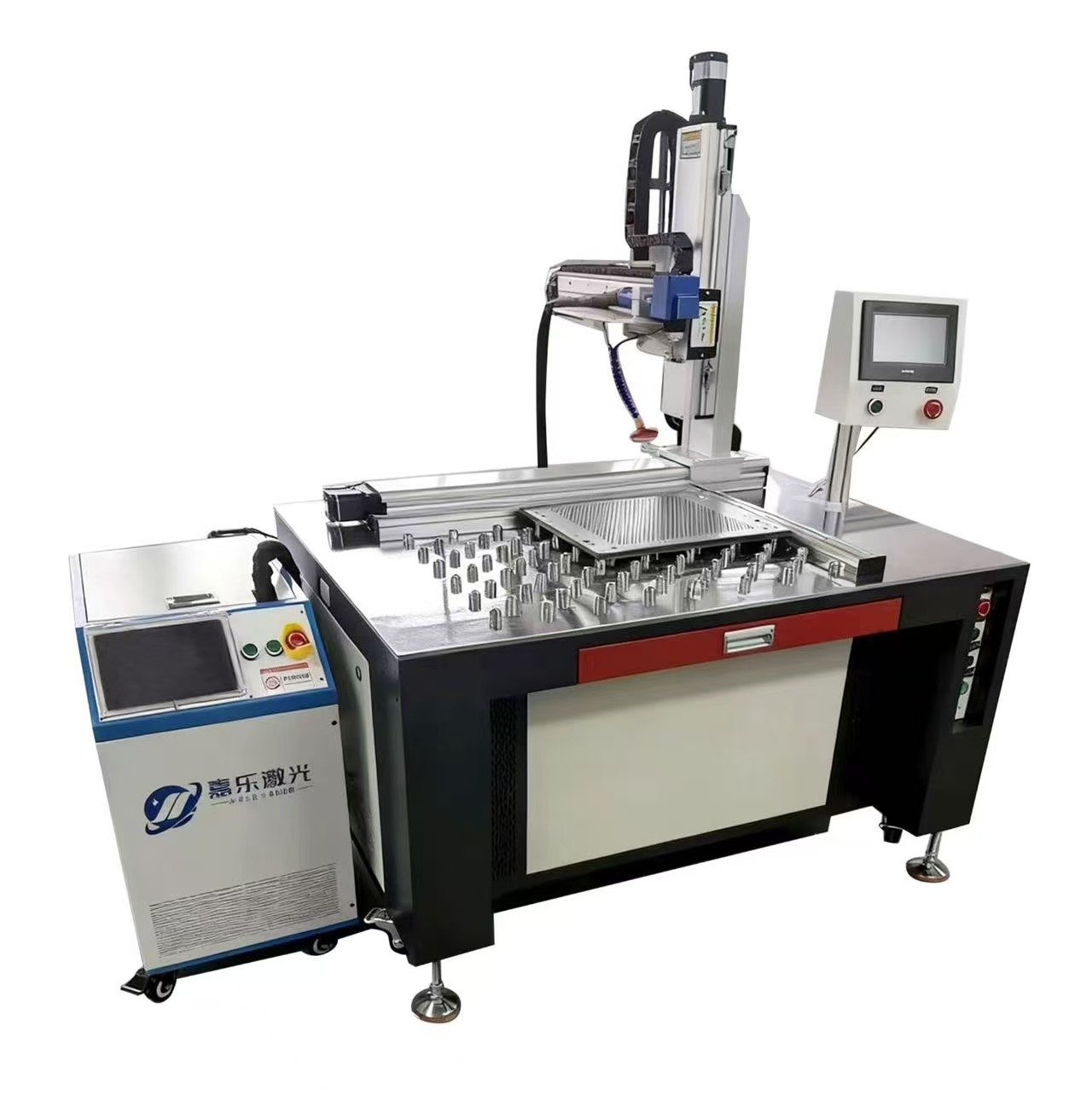
- Does higher laser power necessarily mean higher electricity consumption?
Generally speaking, higher laser power may imply a higher rated power for the equipment, but it does not necessarily operate at maximum power at all times.
For instance, 100W and 200W pulsed laser cleaning units—commonly used for routine mold maintenance—target specific issues like localized contaminants, oil, mold release agents, rust, oxide layers, and rubber or plastic residues. During actual operation, laser parameters can be adjusted based on the level of contamination; the equipment does not run at full load throughout the entire process.
Therefore, when evaluating electricity consumption, one should not look solely at the laser power rating (e.g., 100W, 200W, 300W); actual operating time and the equipment’s total power consumption must also be considered.
- Mold cleaning typically does not involve prolonged, continuous operation.
Mold cleaning differs from large-scale, continuous manufacturing processes.
Much mold cleaning involves periodic maintenance, spot cleaning, or treating specific key areas—such as removing carbon deposits and mold release agent residues from air vents, textured surfaces, or mold cavities. Actual operating times vary depending on the mold’s size and the extent of contamination.
If the equipment is used for only a few hours a day, its daily electricity consumption will differ significantly from that of industrial equipment designed for long, continuous operation.
- Electricity costs are not the only factor in laser cleaning expenses.
When selecting a mold cleaning method, one should consider factors beyond just electricity consumption, such as:
Labor time required for cleaning
Consumables like sandpaper and steel brushes
Use of chemical cleaning agents
Post-cleaning treatment costs
Time required for mold disassembly and handling
Cleaning consistency and repeatability
Laser cleaning is a non-contact surface treatment method. Under appropriate process conditions, it can reduce reliance on the consumables and chemical agents often required in traditional cleaning processes. For molds requiring frequent maintenance—such as those used for injection molding, rubber, tires, and precision metal components—the overall cost should be evaluated based on actual production conditions rather than simply comparing hourly electricity costs.
- How do you determine if a laser cleaning machine is suitable for your molds?
It is recommended to make your selection based on factors such as the mold material, the type of contaminants, the thickness of the contamination layer, the cleaning area, and daily operating hours.
For precision cleaning of small mold areas, consider lower-power pulsed laser equipment; for applications involving heavy contamination or large surface areas, select higher-power equipment based on actual efficiency requirements.
Conducting sample tests prior to full-scale production allows you to evaluate cleaning results, processing speed, and actual energy consumption, enabling you to determine the appropriate equipment and parameters.
Therefore, laser cleaning machines are not necessarily “high-energy consumers.” Actual power consumption must be assessed by considering the equipment’s power rating, operating time, and the specific cleaning process involved.