
What are the advantages of laser processing?
Table of Contents
While traditional machine tools rely on the direct contact between cutting tools and materials, a focused laser beam is performing remote engraving with micron-level precision. While mechanical drills frequently break in front of high-temperature alloys, lasers have already created 500 cooling holes with a diameter of 0.3 millimeters without any performance degradation. As a cutting-edge technology in modern manufacturing, laser processing leverages the energy of light to achieve precise control over materials, gradually rewriting the rules of industrial production.
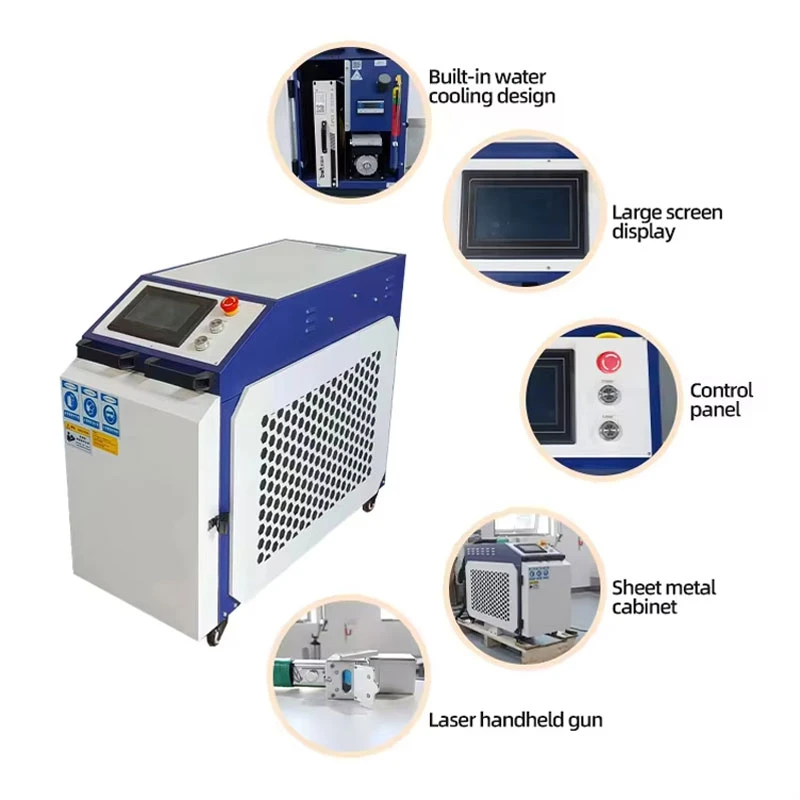
Main advantages
High precision and meticulous processing
The laser beam can be focused to a micron-level spot, with a processing accuracy of up to 0.1mm, making it suitable for precision micromachining, such as micro-hole drilling, fine cutting, and complex pattern engraving.
Non-contact machining, no tool wear
The laser head does not contact the workpiece, avoiding mechanical stress and tool wear. This makes it suitable for processing easily deformable or sealing materials, while also reducing the risk of contamination.
In the beauty industry, such as in the production of face masks and false eyelashes, laser processing can significantly improve hygiene standards.
Small heat-affected zone, minimal workpiece deformation
Laser energy is concentrated, the action time is short, and heat conduction is minimal, effectively controlling thermal deformation, making it particularly suitable for processing thin sheet materials and precision parts.
High material adaptability
It can process almost all materials, including high-melting-point ceramics, diamond, titanium alloys, aluminum alloys, plastics, and composite materials.
High-power green lasers can even efficiently process highly reflective metals such as copper and aluminum.
High flexibility and automation
Laser beams are easy to guide and CNC program, allowing for rapid switching of processing graphics, enabling complex shape cutting and flexible production of multiple varieties. Combined with AI systems, they can create “lights-out factories”.
Environmental protection and cost-effectiveness
There is no physical tool wear, reducing maintenance costs; the machining process is clean and pollution-free, in line with modern green manufacturing trends.
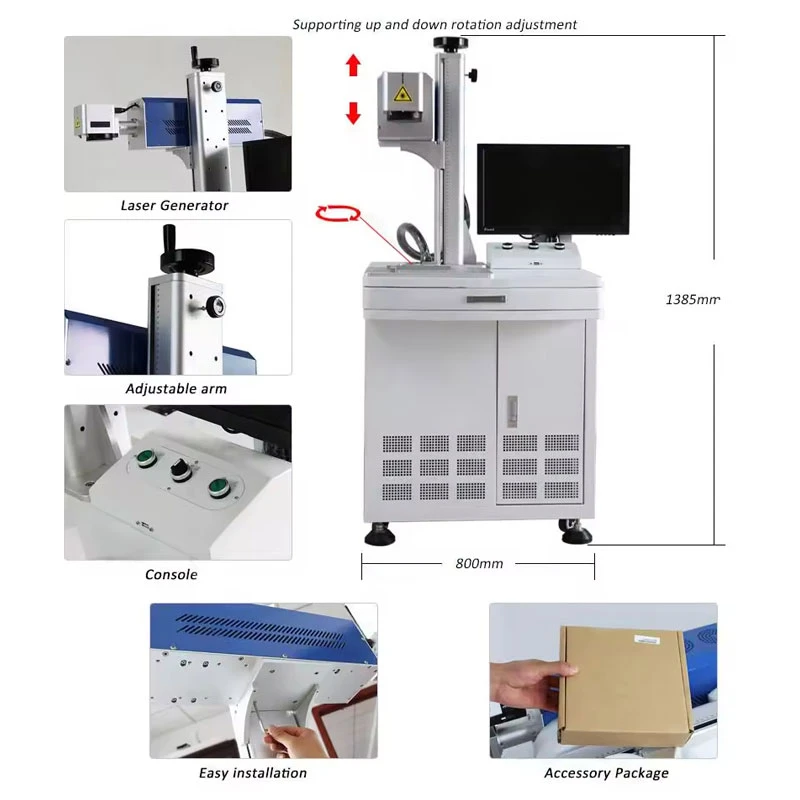
Conclusion
With the development of ultrafast laser technology, laser processing is advancing from macroscopic manufacturing to the microscopic world. Femtosecond lasers have achieved true “cold processing”—the pulse width is only 10^-15 seconds, and the processing is completed before the energy has diffused, without generating a heat-affected zone or microcracks. This characteristic allows lasers to carve three-dimensional optical paths inside glass, process nanoscale textures on diamond surfaces, and even perform precise operations on living cells.