
Key Advantages And Applications of Precision Laser Cutting
Precision laser cutting is a process that uses laser technology and CNC technology to cut materials with high precision. This technology uses a high-power density laser beam to irradiate the material to be cut, causing the material to be quickly heated to the vaporization temperature and evaporated to form holes. As the beam moves relative to the material, the holes can continuously form narrow slits, thereby completing the cutting of the material.
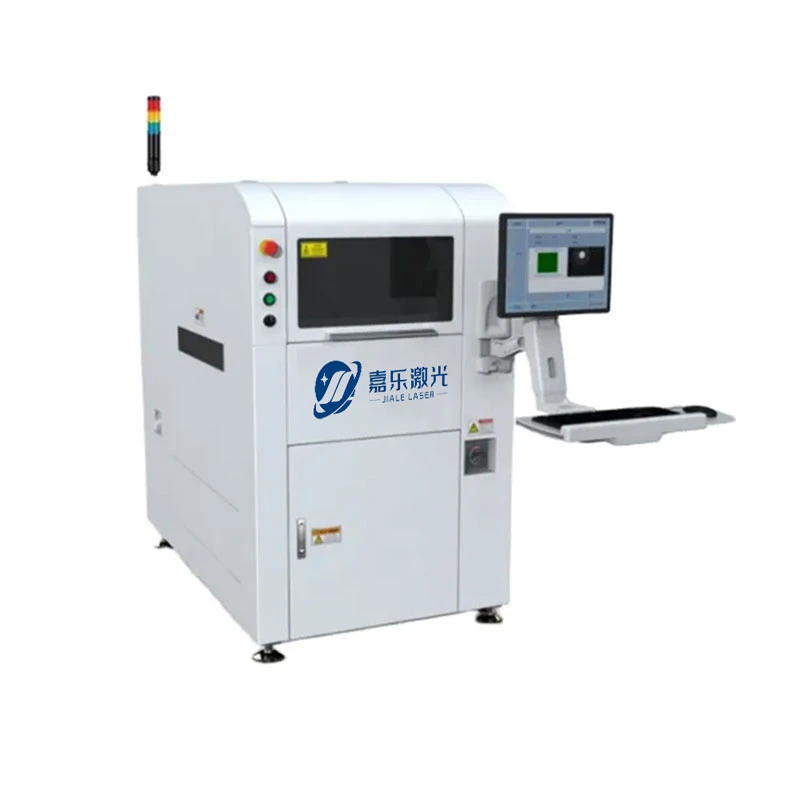
Compared to traditional cutting methods, laser cutting offers numerous advantages. It enables high-precision manufacturing with small tolerances, reduces material waste, and allows for a greater variety of processed materials. Precision laser cutting is widely used in various manufacturing applications, becoming a valuable asset in the automotive industry for producing complex, thick parts from a wide range of materials, from hydroformed 3D shapes to airbags. The precision electronics industry uses it to precision machine metal or plastic parts, housings, and circuit boards. From workshops and small shops to large industrial facilities, it offers manufacturers numerous advantages, which is why precision laser cutting is used.
Superior Precision
The precision and edge quality of materials cut with lasers are superior to those cut using traditional methods. Laser cutting uses a highly focused beam that acts as a heat-affected zone during the cutting process, preventing large-area thermal damage to adjacent surfaces. Furthermore, the high-pressure gas cutting process (typically CO2) jets molten material, removing kerfs from narrower workpieces, resulting in cleaner processing and smoother edges for complex shapes and designs. Laser cutting machines are equipped with Computer Numerical Control (CNC) capabilities, allowing the laser cutting process to be automatically controlled by pre-programmed machine procedures. CNC-controlled laser cutting machines reduce the risk of operator error, producing more precise, accurate parts with tighter tolerances.
Faster Cutting Rates
The time spent setting up and operating manufacturing equipment increases the overall production cost per workpiece. Laser cutting reduces total lead time and total production costs. With laser cutting, there is no need for mold changes and setups between materials or material thicknesses. Compared to traditional cutting methods, laser cutting setup time is significantly reduced, involving more machine programming than material loading. Furthermore, laser cutting can complete the same cut up to 30 times faster than traditional sawing.
Lower Material Costs
By using laser cutting, manufacturers can minimize material waste. The focused laser beam produces a narrower kerf, reducing the size of the heat-affected zone and decreasing the amount of heat-damaged and unusable material. When using flexible materials, deformation caused by machine tools also increases the amount of unusable material. The non-contact nature of laser cutting eliminates this problem, allowing for cuts with higher precision, tighter tolerances, and reduced material damage in the heat-affected zone. This allows for a tighter placement of parts on the material, reducing material waste and lowering material costs over time.
Image of UV/Green Precision Cutting Head
JIALE high-power UV/green precision cutting heads are primarily used in the PCB industry for laser PCB separation, such as UV laser cutting of FR4, reinforcing steel sheets, FPC, rigid-flex PCBs, and fiberglass boards. Applications of UV Laser Cutting for Ultra-Thin Metal Materials: Ultra-thin metals refer to metal materials less than 0.2mm thick, such as copper foil, aluminum foil, stainless steel, and alloy materials. UV laser cutting produces burr-free, low-carbon, and deformation-free precision cutting, commonly used in military parts and photovoltaic copper foil industries.
Key Features
Adjustable XY collimation
Precision manual focusing mechanism
Full-body water cooling
Completely sealed internal structure
Drawer-type structure for easy replacement
Multi-blade diffraction-limit design
Equipped with nozzle assembly
This precision cutting head can be equipped with a coaxial vision module.
Conclusion
The semiconductor industry’s use of laser cutting in the electronics industry has increased the versatility of cutting silicon, gemstones, and complex parts for the production of composite materials. Laser cutting also has wide applications in the medical industry, including medical manufacturing equipment and devices, cutting precision tubing, and surgical applications requiring sterility and precision. The smaller heat-affected zone reduces material waste, thus lowering overall costs. Its non-contact nature reduces the risk of workplace injuries and accidents. The faster programming and changeover times of the laser cutting process enable greater production versatility while minimizing delivery times.