
How To Choose The Right Laser Chiller For Laser Marking Machine?
The stable operation and marking accuracy of a laser marking machine largely depend on whether its core component—the laser—can operate at a constant, ideal temperature. A matching industrial chiller is precisely the system that provides precise temperature control for this purpose. Improper selection can lead to inconsistent marking depth and reduced efficiency, or even damage to the expensive laser source due to overheating or condensation.
Table of Contents
The primary and fundamental principle for selecting a laser marking machine is “tailoring the solution to the source”—that is, determining the cooling solution based on the type and technical principle of the laser used in the equipment. Different types of lasers have fundamentally different heat-generating components, temperature sensitivity, and cooling requirements.
Matching Cooling Solutions by Laser Type
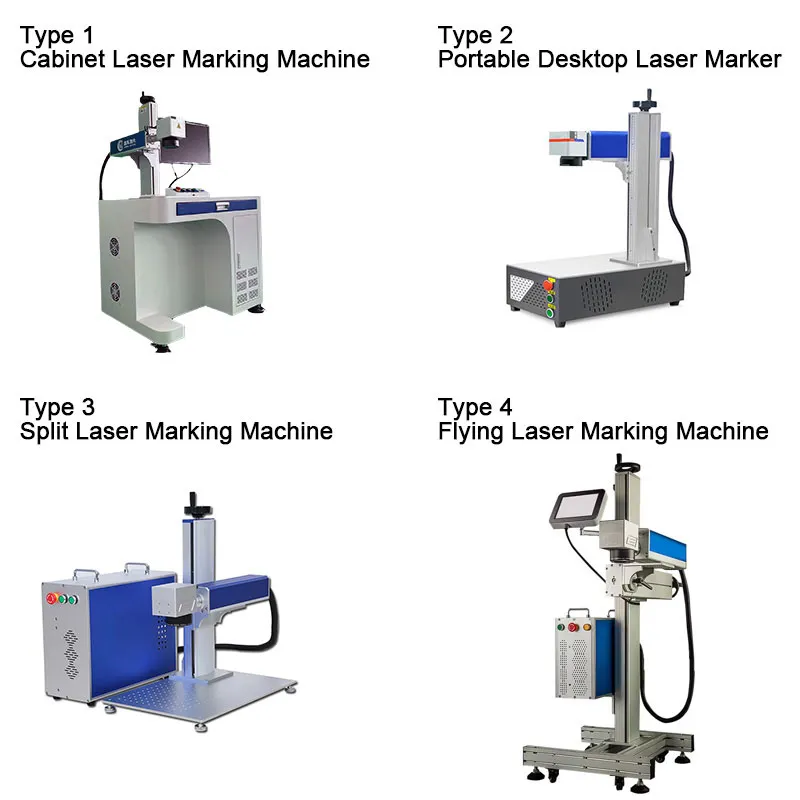
Mainstream Fiber Laser Marking Machines
Cooling Core: These machines primarily use fiber lasers, and their core heat-generating components include the fiber laser module and the scanning galvanometer system. These two typically have different operating temperature requirements.
Core Requirements: Two independent cooling cycles (i.e., dual-temperature, dual-control) must be provided for the laser and the scanning galvanometer. Single-loop cooling is insufficient and may cause condensation on the galvanometer or laser wavelength drift.
Model Matching: A dual-cycle chiller must be selected. For example, the Teyu CWFL series dual-temperature chiller is designed for this type of application, ensuring that both critical components operate stably at their optimal temperatures simultaneously.
CO2 Laser Marking Machine
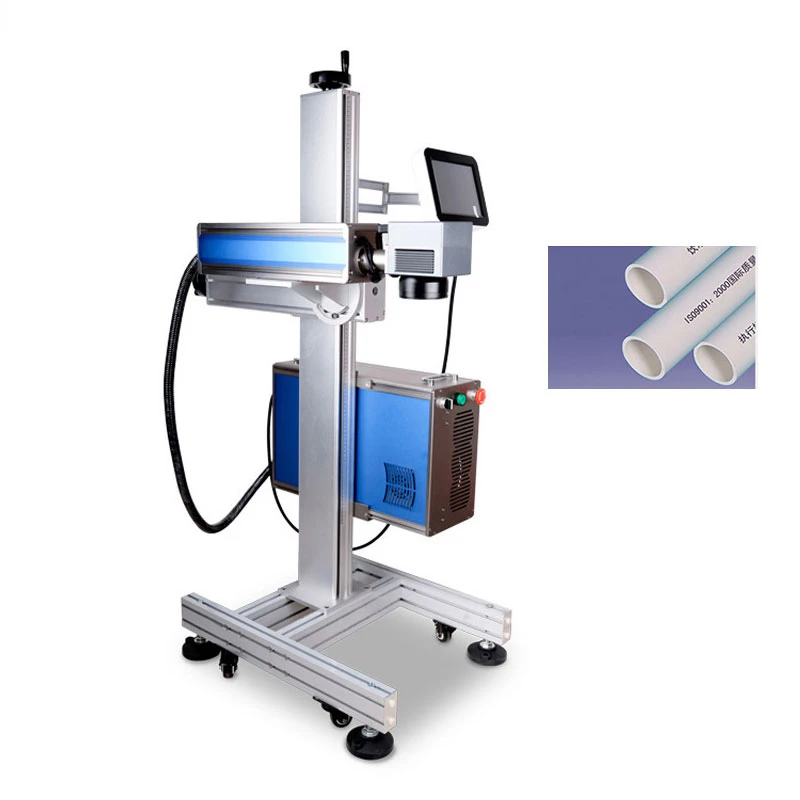
Cooling Core: Employs a CO2 gas laser tube, whose glass tube casing is a fully enclosed heating element.
Core Requirements: Stable single-loop cooling is required to maintain the laser tube’s optimal operating temperature (typically high, such as above 25°C), and anti-condensation functionality is essential to prevent condensation on the tube wall in humid environments, which could lead to high-voltage arcing or explosion.
Model Matching: A standard single-temperature laser chiller is sufficient. For example, the Teyu CO2 laser chiller series covers CO2 laser tube cooling needs from tens to hundreds of watts, and its intelligent temperature control mode effectively prevents condensation.
Precision Laser Marking Machines (UV/Green, etc.)
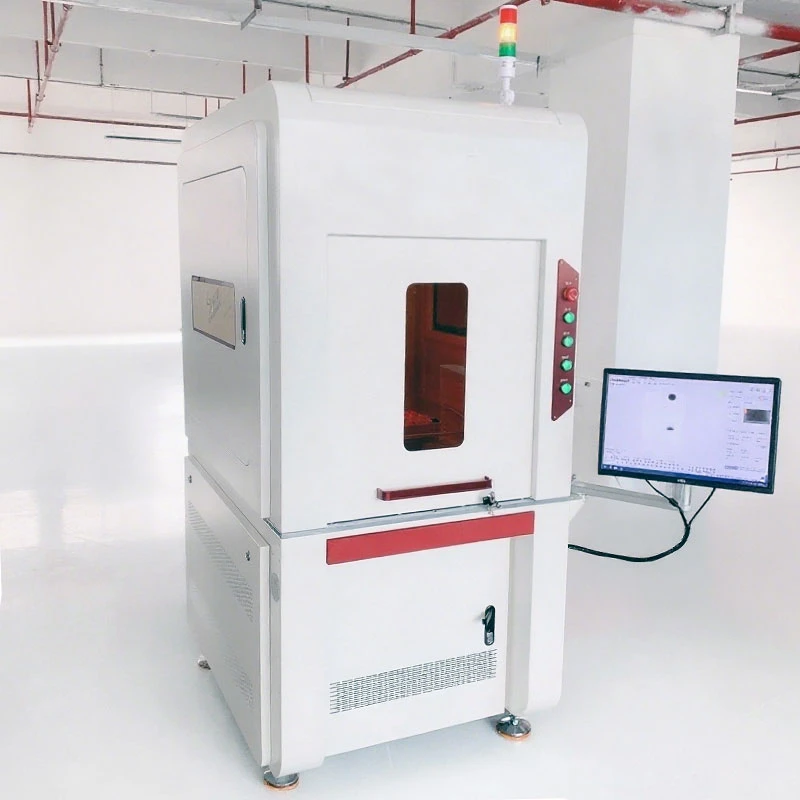
Cooling Core: Typically based on DPSS (Diode-Pumped Solid State) technology, converting infrared laser light into UV or green light. The crystal and cavity are extremely sensitive to temperature fluctuations.
Core Requirements: Extremely high temperature stability is required. Even minute fluctuations (>±0.5℃) can lead to instability in laser output power and beam mode, affecting the precision and consistency of the marking.
Model Matching: Ultra-high precision laboratory-grade chillers must be used. For example, the ±0.1℃ or higher temperature control accuracy offered by the Teyu CWUP or RMUP series is a prerequisite for achieving ultra-fine, heat-affected zone marking with these machines.
High-Power/Flying Laser Marking Machines
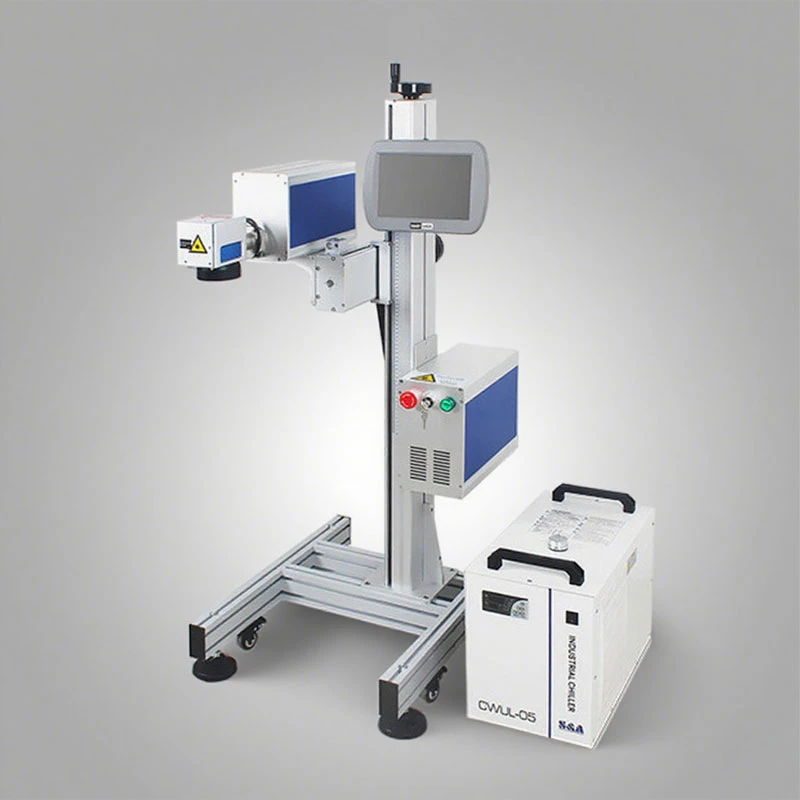
Cooling Core: Power typically exceeds several hundred watts, used for high-speed online marking. The laser itself generates significant heat.
Core Requirements: In addition to meeting temperature accuracy requirements, the cooling capacity must be sufficient with ample margin to cope with continuous, long-term high-load operation.
Model Matching: Select an industrial-grade model with a higher cooling capacity within the corresponding type (fiber optic or CO2). For example, for high-power fiber optic flight marking, choose a high-power model from the CWFL series.
General Selection Considerations
After determining the type, verify the following key parameters to ensure perfect matching:
Cooling Capacity Matching and Margin: The chiller’s rated cooling capacity must exceed the laser’s actual heating power. It is recommended to allow at least 20%-30% margin to cope with high-temperature summer environments, ensure cooling speed, and improve system reliability.
Water Quality and Flow Requirements: Strictly adhere to the laser manufacturer’s requirements for cooling water quality (deionized water recommended), flow rate (L/min), and pressure (Bar). Insufficient flow rate will directly lead to poor cooling performance.
Key Function Confirmation
Intelligent Temperature Control: Essential for CO2 equipment, automatically adjusting water temperature to prevent condensation.
Safety Alarms: Water flow alarm, water level alarm, and over-temperature alarm are minimum requirements to prevent dry-burning damage.
Communication Interface: If integration into an automated production line is required, a model supporting RS485 or Modbus communication protocols should be selected for easy remote monitoring and coordinated control.
Final Thoughts
Choosing a chiller for a laser marking machine follows a clear decision-making path: First, accurately identify the type of laser used in the equipment (fiber, CO2, UV, etc.), as this step determines the cooling technology; second, confirm the laser’s power and the brand’s specific water-cooling parameters; finally, from the corresponding chiller product line, select a model with sufficient cooling capacity margin and complete safety features.