
Exploring Laser Cutting Technology
Laser cutting is a processing method that uses a high-power-density laser as a heat source. Through computer-aided design and computer-aided manufacturing technology, the workpiece is irradiated by the laser beam along a pre-designed cutting trajectory, causing the surface to melt, evaporate, or decompose to form a cut.
Table of Contents
What is laser cutting technology?
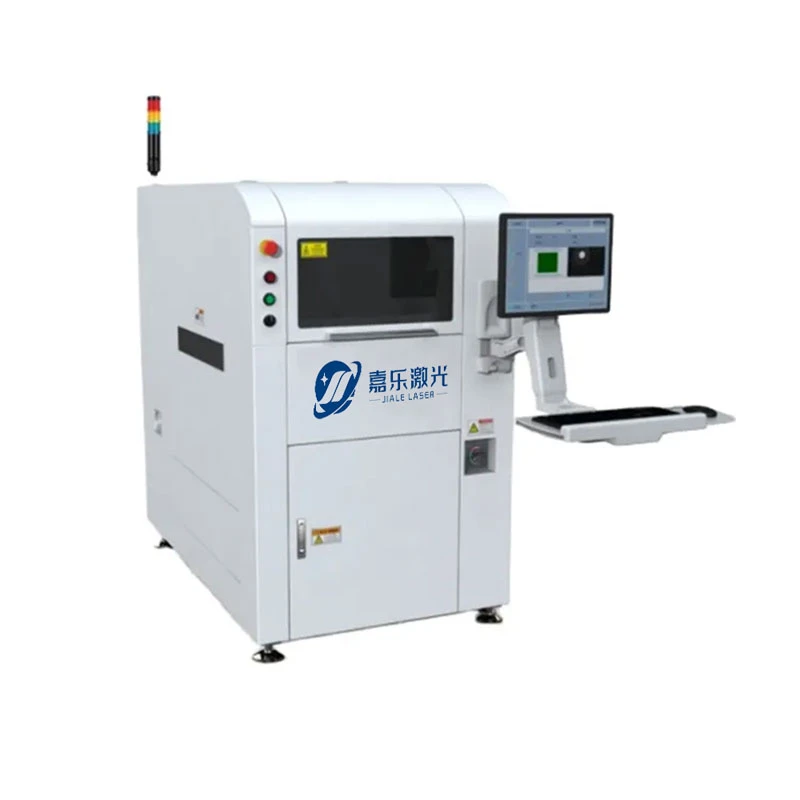
Laser cutting technology is a processing technique that uses a high-power-density laser beam to irradiate the surface of the material to be cut, causing the material to melt, vaporize, or reach its ignition point rapidly. At the same time, a high-speed airflow blows away the molten or burning material, thereby achieving the cutting process.
Laser cutting technology principle
Laser cutting operates in continuous or repetitive pulses. During the cutting process, the laser beam is focused into a very small spot (the minimum diameter can be less than 0.1 mm), achieving a very high power density at the focal point (which can exceed [a certain value]). At this point, the heat input from the beam (converted from light energy) far exceeds the portion reflected, conducted, or diffused by the material. The material is quickly heated to its melting and vaporization temperatures. Simultaneously, a high-speed gas flow from a coaxial or non-coaxial direction blows the molten or vaporized material out from the bottom of the material.
As the beam moves relative to the material, a narrow kerf (0.1 ~ 0.3 mm) is formed, dividing the material. The figure below shows a schematic diagram of the laser cutting head. In addition to the lens, it also has a coaxial nozzle that ejects an auxiliary gas flow.
Features of laser cutting technology
- High cutting quality, excellent kerf geometry, and nearly parallel cut edges perpendicular to the bottom surface;
- No slag adhesion, narrow kerf, small heat-affected zone, and virtually no workpiece deformation;
- Lasers can cut a wide variety of materials. Gas cutting can only cut low-carbon steel, medium-carbon steel, and alloy steel with low chromium content, while lasers can cut metals, non-metals, metal-based and non-metal-based composite materials, leather, and wood;
- High cutting efficiency;
- Non-contact processing;
- Low noise;
- Low pollution.
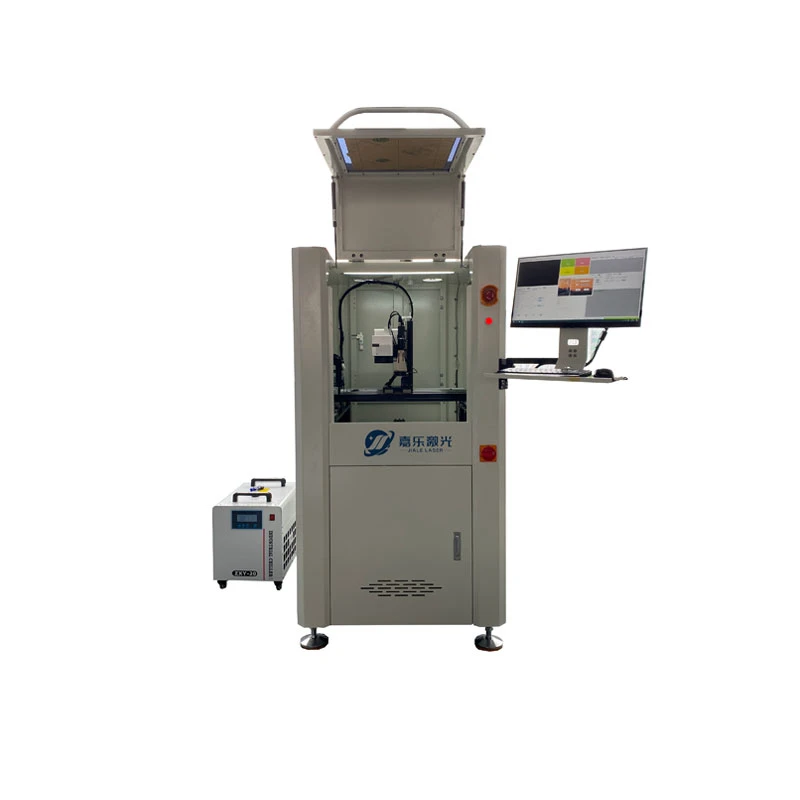
Comparison of cutting effects
| Cutting method | Cut width(mm) | Width of heat-affected zone(mm) | Cutting pattern | speed | Equipment costs |
| Laser cutting | 0.2~0.3 | 0.04~0.06 | parallel | quick | high |
| Gas cutting | 0.9~1.2 | 0.6~1.2 | Comparison of parallel | slow | Low |
| Plasma cutting | 3.0~4.0 | 0.5~1.0 | wedge | quick | Medium and high |
Type of Laser Cutting technology
Laser cutting can be classified into vaporization cutting, melting cutting, laser oxygen-assisted melting cutting, and controlled fracture cutting according to its mechanism.
Vaporization Cutting
The workpiece is rapidly heated to its boiling point under the action of the laser. Some of the material turns into vapor and escapes, while some of the material is blown away from the bottom of the cutting kerf as ejection material.
Melting and Cutting
The laser heats the workpiece to a molten state, and auxiliary gas streams such as argon, helium, and nitrogen, which are coaxial with the laser beam, blow the molten material away from the cut.
Oxygen-assisted melting cutting
This method is mainly used for cutting metallic materials. The metal is rapidly heated by the laser to above its ignition point, undergoing a violent oxidation reaction (i.e., combustion) with oxygen, releasing a large amount of heat. The next layer of metal is then heated, and the metal continues to oxidize. The oxides are then blown away from the cut by gas pressure. The cutting process can be summarized as a repeated cycle of preheating → combustion → slag removal.
Conclusion
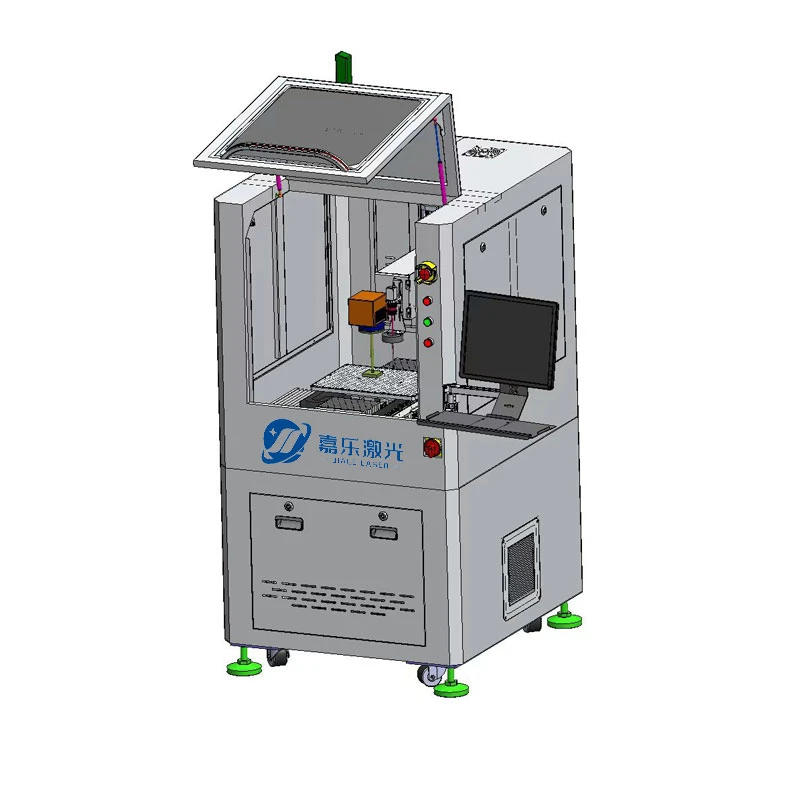
Laser cutting technology is clean, safe, and pollution-free, greatly improving the working environment for operators. However, in terms of precision and surface roughness, laser cutting cannot surpass electrical discharge machining (EDM). Laser cutting has already replaced and is replacing some traditional cutting processes, especially for cutting various non-metallic materials. It is a rapidly developing and increasingly widely used advanced processing method.