
What kind of mold factory is suitable to consider purchasing laser cleaning equipment?
As the manufacturing industry’s requirements for production efficiency, mold accuracy and cleaning quality continue to increase, more and more mold factories are beginning to pay attention to laser cleaning technology.
Traditional mold cleaning usually uses manual wiping, mechanical brushing, sandblasting or chemical cleaning. When faced with complex textures, deep grooves, vents and stubborn residues, these methods may have problems such as time-consuming cleaning, high labor investment, or the mold surface is susceptible to wear and tear.
So, what kind of mold factory is more suitable to consider introducing laser cleaning equipment?
- Factories with high mold cleaning frequency
For industries such as injection molding, rubber, tires, and die-casting, molds tend to accumulate plastic residue, release agents, oil stains, carbon deposits, and oxides during long-term production processes.
If the factory needs to shut down frequently to clean molds, and traditional cleaning methods take a long time, then laser cleaning equipment is worth including in the evaluation.
Laser cleaning uses a non-contact processing method that can adjust processing parameters according to the type of contaminants and mold materials, helping factories explore more suitable cleaning processes.
- Factory with precision molds and complex textures
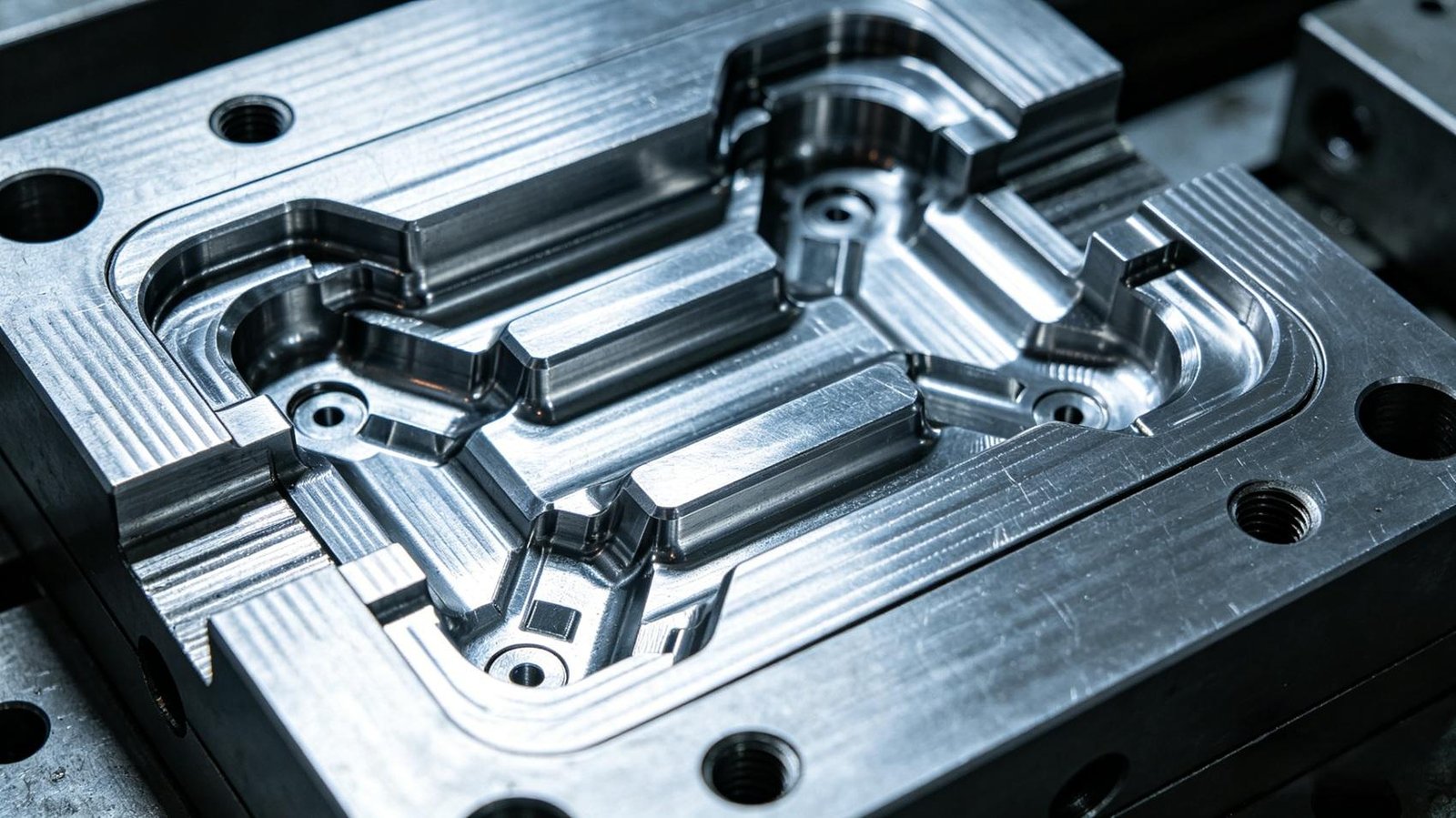
For high-precision injection molds, rubber molds, tire molds and sealing ring molds, cleaning not only needs to remove contaminants, but also requires attention to the mold surface texture, dimensional accuracy and substrate status.
Laser cleaning can perform targeted treatment on different areas by adjusting parameters such as power, frequency, and scanning speed, and is suitable for the cleaning needs of some complex lines and fine structures.
It should be noted that the specific cleaning effect and substrate impact depend on the mold material, contaminant thickness and process parameters. It is recommended to conduct sample testing first.
- Factories that want to reduce mold disassembly and downtime
For large molds, heavy molds, or production lines with complex disassembly, lifting, and transfer processes, each cleaning may add additional time and labor costs.
If the mold structure and production conditions permit, use handheld laser cleaning equipment or three-axis or six-axis automatic laser cleaning systems to explore cleaning options at the equipment site or between production intervals to reduce partial disassembly and transfer work.
For factories that need to repeatedly clean fixed areas, automated equipment can also perform scans according to set paths to help improve the consistency of batch cleaning.
- Factories that want to reduce chemical cleaning agents and mechanical wear
Some factories hope to reduce the use of chemical cleaning agents or reduce the risk of surface wear caused by traditional contact cleaning methods such as brushing and grinding.
Laser cleaning does not require mechanical friction between sandpaper and wire brushes and the mold surface, and can also reduce the need for chemical cleaning agents in the applicable process.
However, laser cleaning does not mean that any material is absolutely damage-free. For precision molds, the cleaning effect and base material safety should be confirmed through parameter testing.
- Factories that are promoting automation upgrades
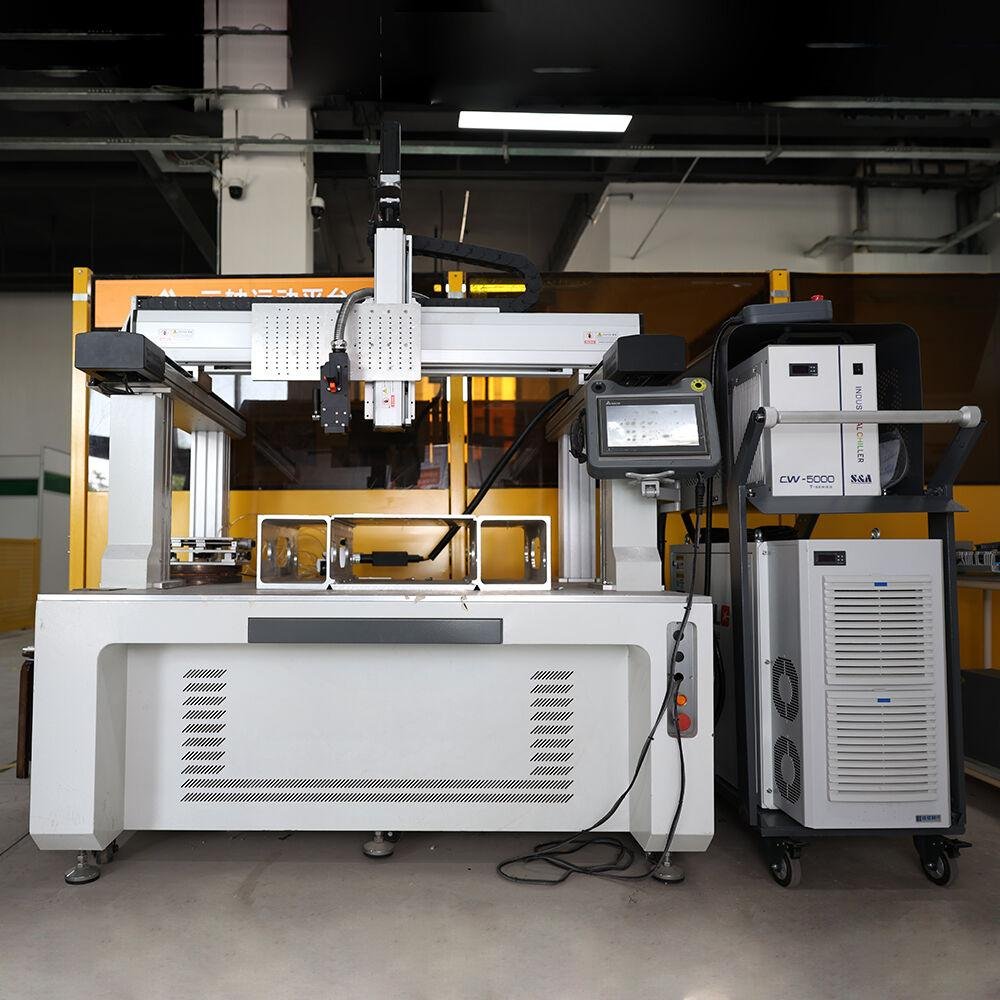
If the factory is promoting automated production and hopes to reduce repeated manual operations and improve the standardization of the cleaning process, it may consider combining laser cleaning equipment with an automation platform or robotic system.
- Handheld laser cleaning machine: Suitable for factories with multiple varieties, small batches, and flexible cleaning locations.
- Three-axis automatic laser cleaning machine: suitable for molds with fixed cleaning areas and many repeated paths.
- Six-axis robot laser cleaning system: suitable for application scenarios with complex cleaning paths and multi-angle operations.
Equipment selection should be based on a comprehensive judgment based on mold size, cleaning frequency, degree of automation and budget.
- What factors should the factory evaluate before purchasing?
Before deciding to purchase laser cleaning equipment, it is recommended to focus on evaluating the following aspects:
- Mold type: Injection mold, rubber mold, tire mold or die-casting mold?
- Type of contaminants: Oil, release agent, plastic residue, vulcanization residue or heavy carbon deposits?
- Cleaning frequency: How many times a day do you need to clean? How long does it take each time?
- Cleaning accuracy: Do you need to protect fine textures, dimensional accuracy and mold surface condition?
- Automation needs: Are handheld devices sufficient, or will a three- or six-axis automatic cleaning system be required?
After clarifying these needs, and then testing the cleaning effect, processing efficiency and substrate status through actual mold samples, it can help the factory make more reasonable purchasing decisions.
Conclusion
For factories with high frequency of mold cleaning, sophisticated and complex molds, high downtime costs, or factories that require automation upgrades, laser cleaning equipment deserves to be evaluated.
Jiale Laser focuses on the R&D and manufacturing of laser cleaning equipment and can explore suitable cleaning solutions based on different mold materials, types of contaminants and production needs.