
How To Choose The Power Of Laser Cleaning Machine?
There is no universal standard for laser cleaning power. The core selection criteria are the thickness of the mold stains, the type of coating, and the cleaning conditions (mass production / sporadic maintenance). The mainstream models are divided into four pulse models: 1000W, 1500W, 2000W, and 3000W. This article clearly defines the selection criteria based on the scenarios of injection molding, die casting, rubber, and tire molds.
Table of Contents
Applicable range, advantages and disadvantages of different power models
1000W Pulsed Laser Cleaning Machine
Suitable for small precision injection molds, connector molds, and thin-walled insert molds; stains include light oil stains and thin carbon deposits (<0.1mm); molds with chrome plating, TiN, and DLC precision plating; and small-scale mold maintenance in workshops. Advantages: Gentle energy, minimal heat-affected zone, highest coating safety factor, low power consumption, high cost-effectiveness, and lightweight design. Disadvantages: Relatively low cleaning efficiency for solidified thick carbon deposits and large areas of oxide scale; unsuitable for heavy rust in die castings and thick vulcanized layers in tires. Recommended industries: Precision electronic plastic molds and small medical device molds.
1500W Pulsed Laser Cleaning Machine (General Popular Model)
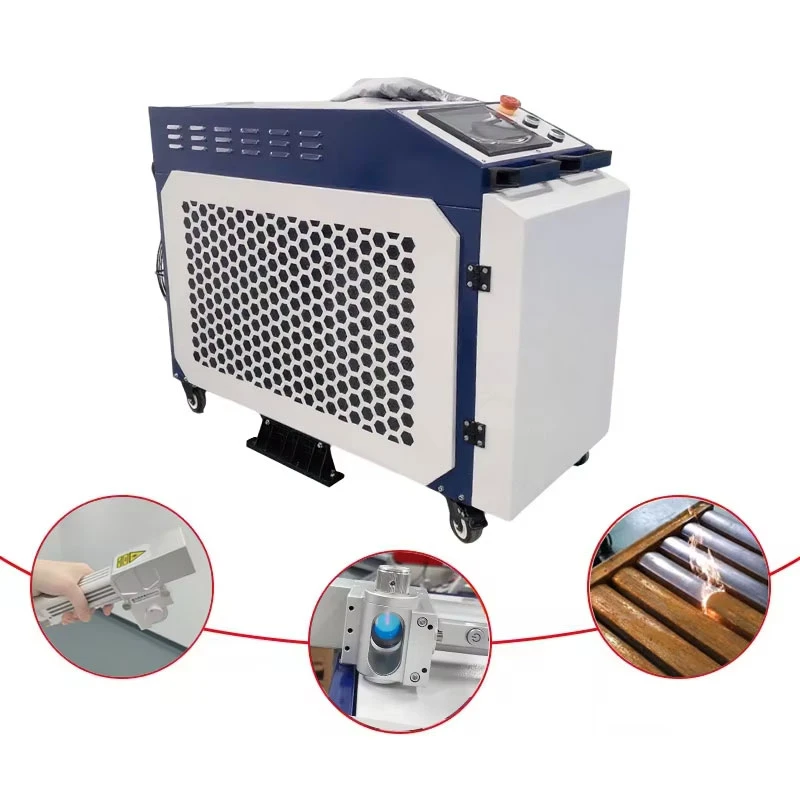
Suitable for: Regular small to medium-sized injection molds and ordinary rubber molds; stains include moderate carbon deposits, mold release agent residue, and thin oxide scale; also suitable for daily maintenance of nitrided/chrome-plated molds, and can handle small amounts of thick stains. Advantages: Balances cleaning efficiency and coating safety; adjustable power to suit precision to medium-level stains; one machine covers 80% of molds in the workshop, offering the best overall cost-effectiveness. Disadvantages: Insufficient efficiency for ultra-thick sulfide layers and large areas of heavy die-casting oxide scale. Recommended: A standard model for small to medium-sized integrated mold processing plants and injection molding workshops.
2000W Pulsed Laser Cleaning Machine (Main Model for Mold Factories)
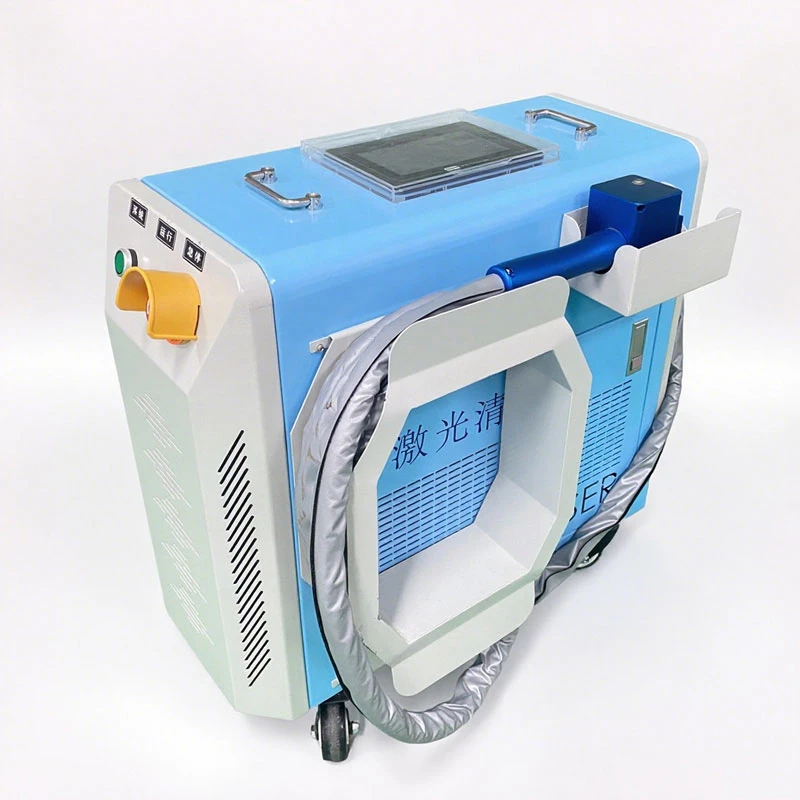
Applicable Conditions: Large and medium-sized die-casting molds, automotive parts molds, and standard tire molds; stubborn carbon deposits (0.1-0.3mm), high-temperature die-casting oxide scale, solidified sulfide residue, batch cleaning of deep and shallow textures and dense venting grooves; 24-hour routine maintenance in the workshop. Advantages: High cleaning efficiency; thick stains do not require repeated sweeping; lower power protects the coating, higher power handles stubborn dirt; most versatile. Note: When cleaning thin-coated mirror molds, parameters should be reduced for testing; full power direct sweeping is prohibited. Recommended: Large injection molding plants, die-casting plants, and tire mold processing companies. 3000W Pulsed Laser Cleaning Machine
Suitable for: Giant tire molds, large heavy-duty die-casting molds; ultra-thick vulcanized layers, multi-layer old coatings, thick oxide scale (>0.3mm); suitable for automated production lines. Advantages: High power, high efficiency, rapid removal of heavy contaminants over large areas; Disadvantages: Full power is strictly prohibited for use on thin-coated or precision nitriding molds; power must be reduced, resulting in higher equipment purchase and electricity costs. Recommended for: Large tire factories and large-scale heavy-duty automotive parts die-casting factories.
Precise selection based on mold coating & material
TiN/DLC/Ultra-thin chrome-plated precision molds: 1000W/1500W is preferred, relying on multiple thin sweeps at low power to prevent high heat damage to the coating. Full power above 2000W is not recommended.
Ion nitriding molds, conventional hard chrome molds: 1500W-2000W is preferred. Medium power operation is recommended for regular stains, with reduced power for edge and texture protection.
Unplated ordinary steel molds, heavily soiled die-casting molds: For thick stains, use 2000W/3000W directly, prioritizing efficiency.
Quick Selection Guide by Stain Thickness
Thin layer of oil stains, floating carbon (<0.05mm): 1000W is sufficient;
Moderate carbon deposits, solidified mold release scale (0.05~0.2mm): 1500W~2000W;
Heavy carbonization, sulfurized scale, die-casting oxide scale (0.2~0.4mm): 2000W~3000W.
Application scenario selection
For sporadic orders, small-scale mold repair, and precision parts: 1000W;
For routine workshop maintenance with a mix of molds of varying sizes: 1500W/2000W (2000W preferred for wider compatibility);
For high-volume production lines and heavy-duty mold high-frequency cleaning: 2000W and up, 3000W for heavy contamination;
For automated cleaning with robotic arms: 2000W and 3000W high-power models.
Conclusion
If you don’t know which power laser cleaner fits your molds, send us your mold material, coating type and dirt condition. Our engineers provide free customized power selection suggestions and sample cleaning test.